
The Kombucha Paper
Elevate Yourself
Paper Without Trees
Introducing an original formulation to revolutionize the smoking experience.
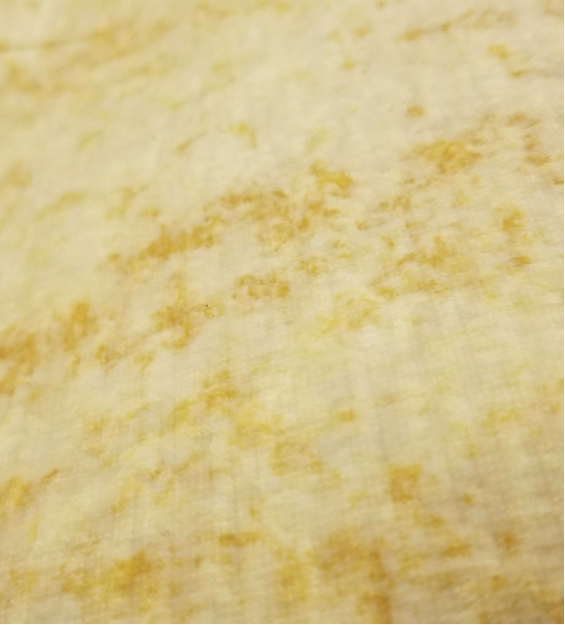
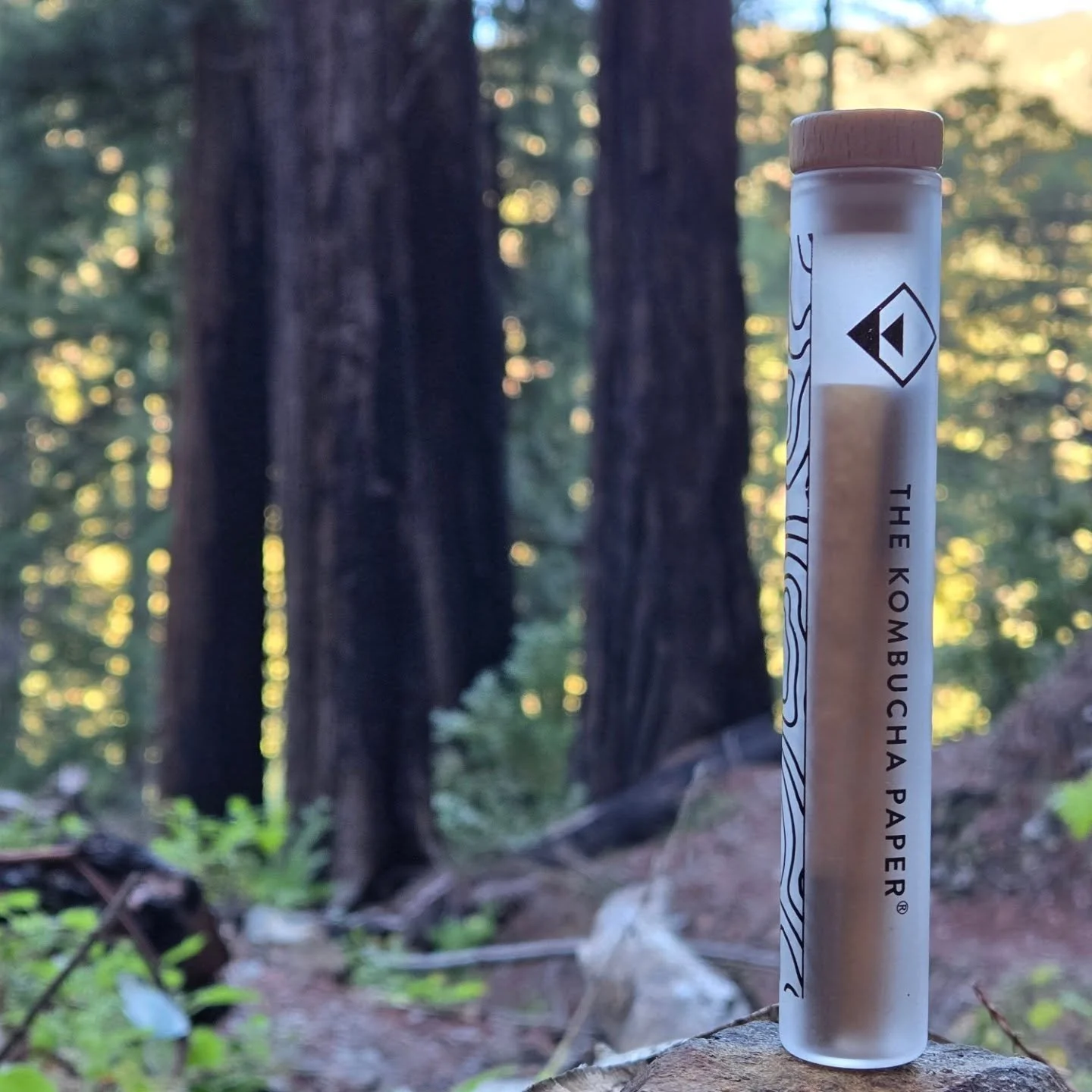
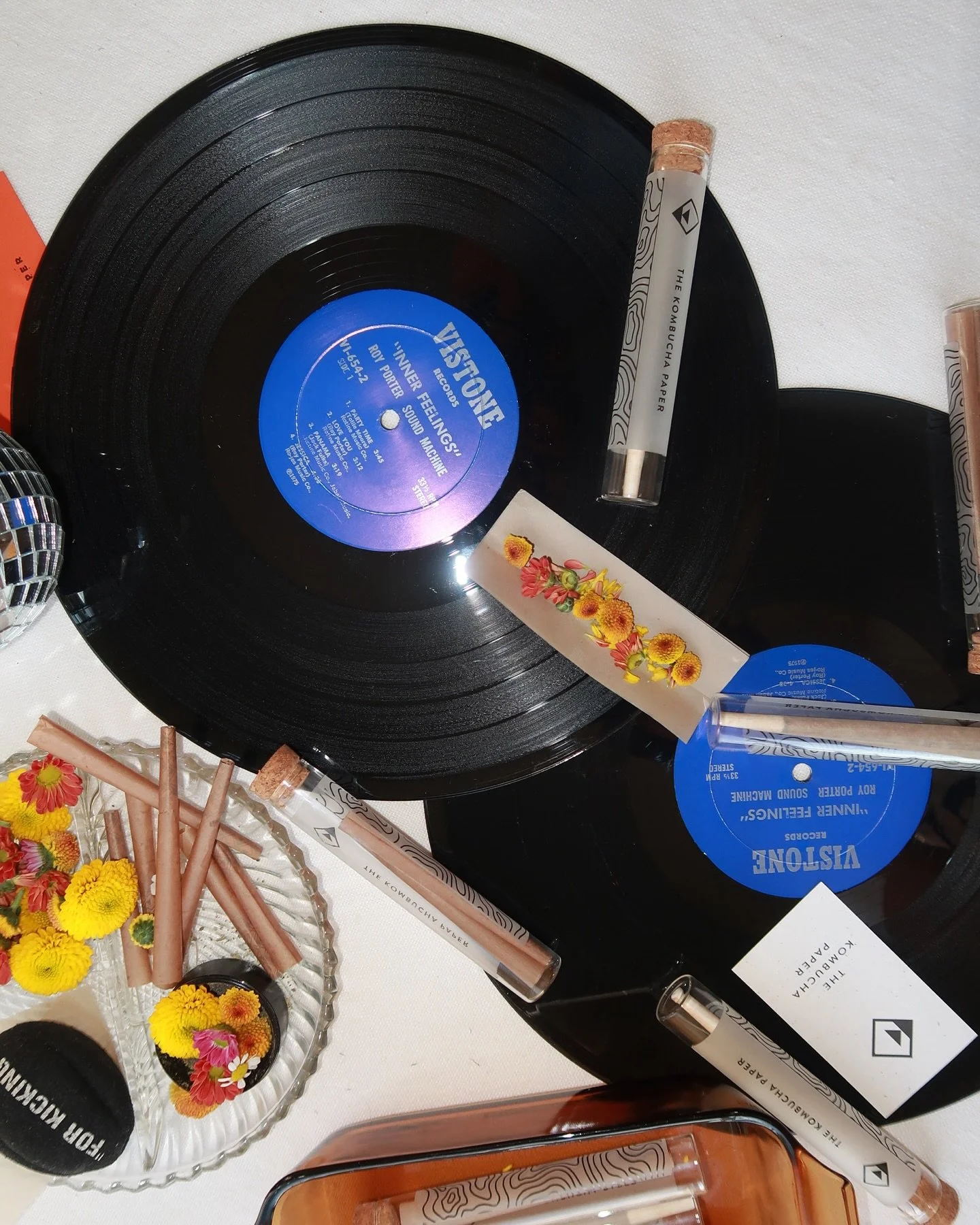
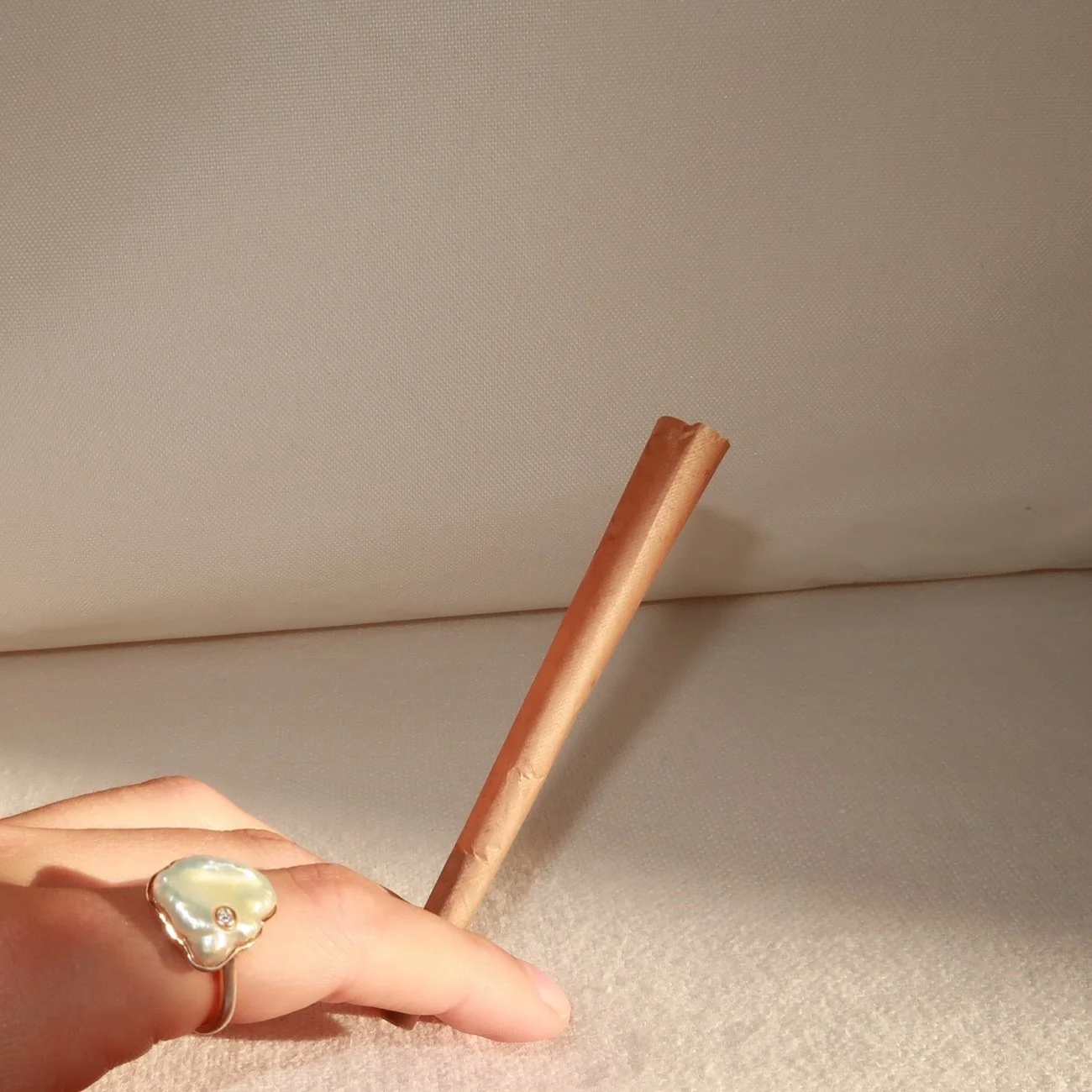
The Kombucha Paper® is a rolling paper like no other. Traditionally, paper is made from trees or hemp, but our kombucha papers are made from a completely renewable source of cellulose derived from the same microorganisms that create your favorite probiotic drink.
Lets keep our plants planted.

Made by Nature,
Perfected by Man
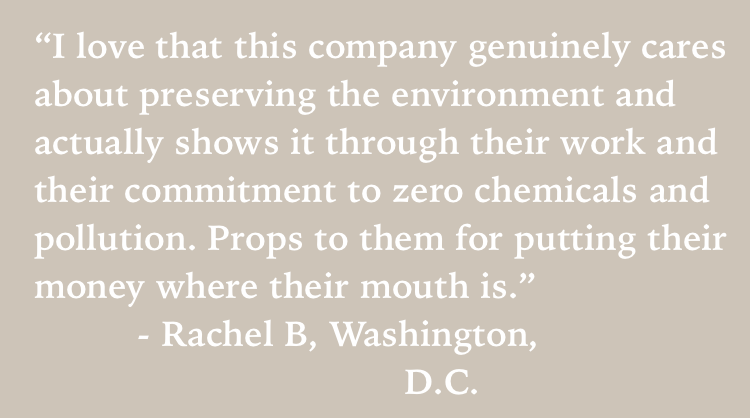
We’ve created a rolling paper from upcycled SCOBY - Symbiotic Culture of Bacteria and Yeast - produced during kombucha fermentation that would otherwise be discarded. The Kombucha Paper promises to make plant-based paper a thing of the past. While there are alternatives to traditional rolling papers such as bamboo or unbleached hemp, all plant-based paper undergoes chemical processing. Because there are no chemical processes in the production of our kombucha papers, there are no harmful additives or toxic flavors, and no pollution to the environment.
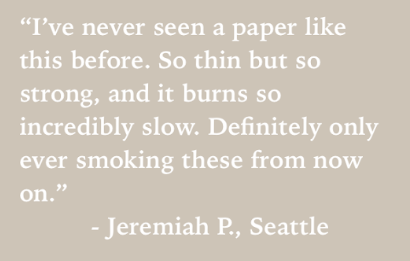
However, our kombucha paper goes even further than its ecological impact; the paper’s unique fiber provides the most subtle and unintrusive taste with a slower burn, and makes it water resistant. We’re rebuilding a harmonious relationship with nature, one exquisite rolling paper at a time.





The Ugly Truth Behind the Paper Industry
This is a paper mill in Wassua, Wisconsin. The paper-made-from-trees industry is responsible for approximately 4 billion trees being cut down globally each year, as well as 20% of toxic air emissions in the U.S.
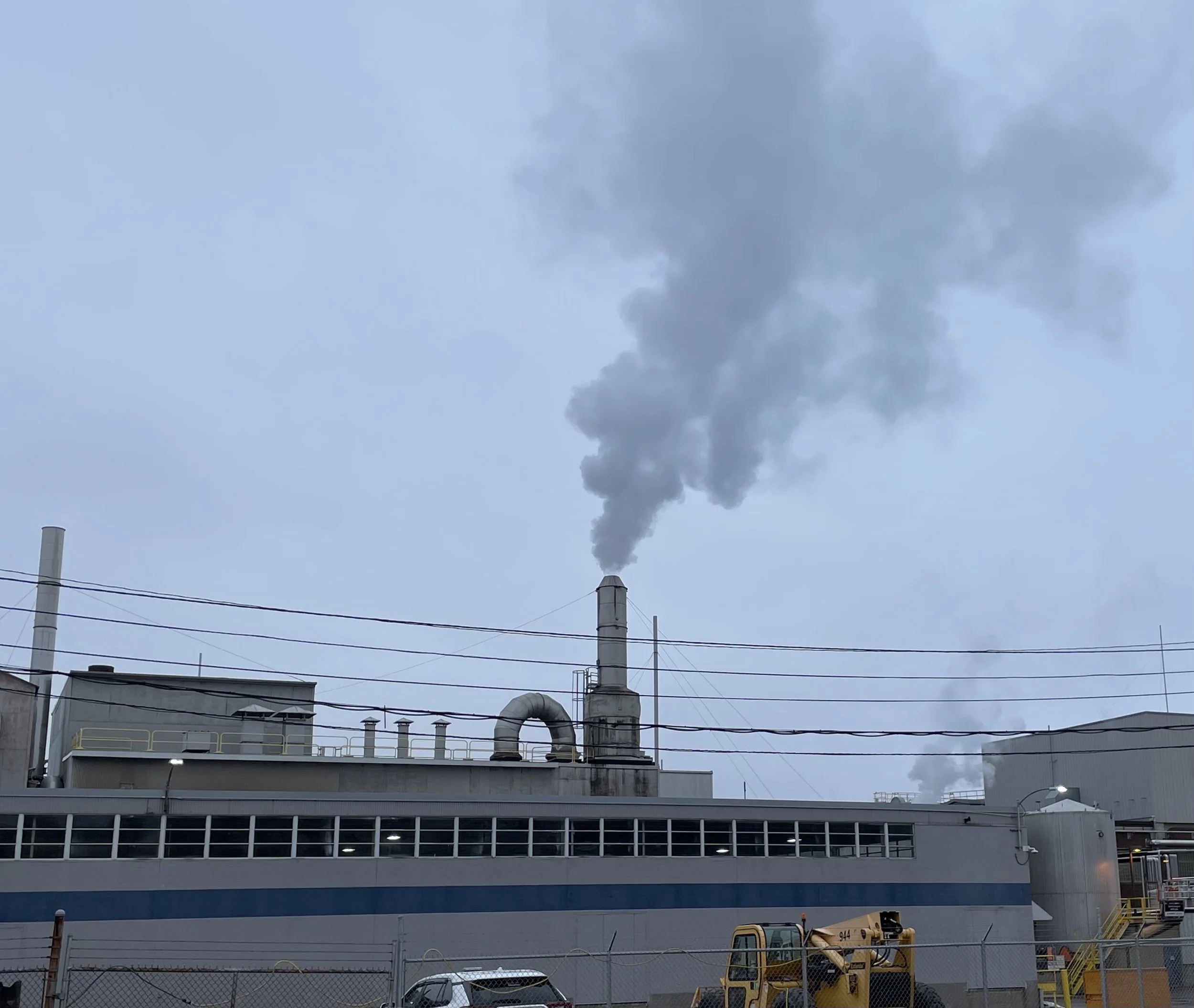
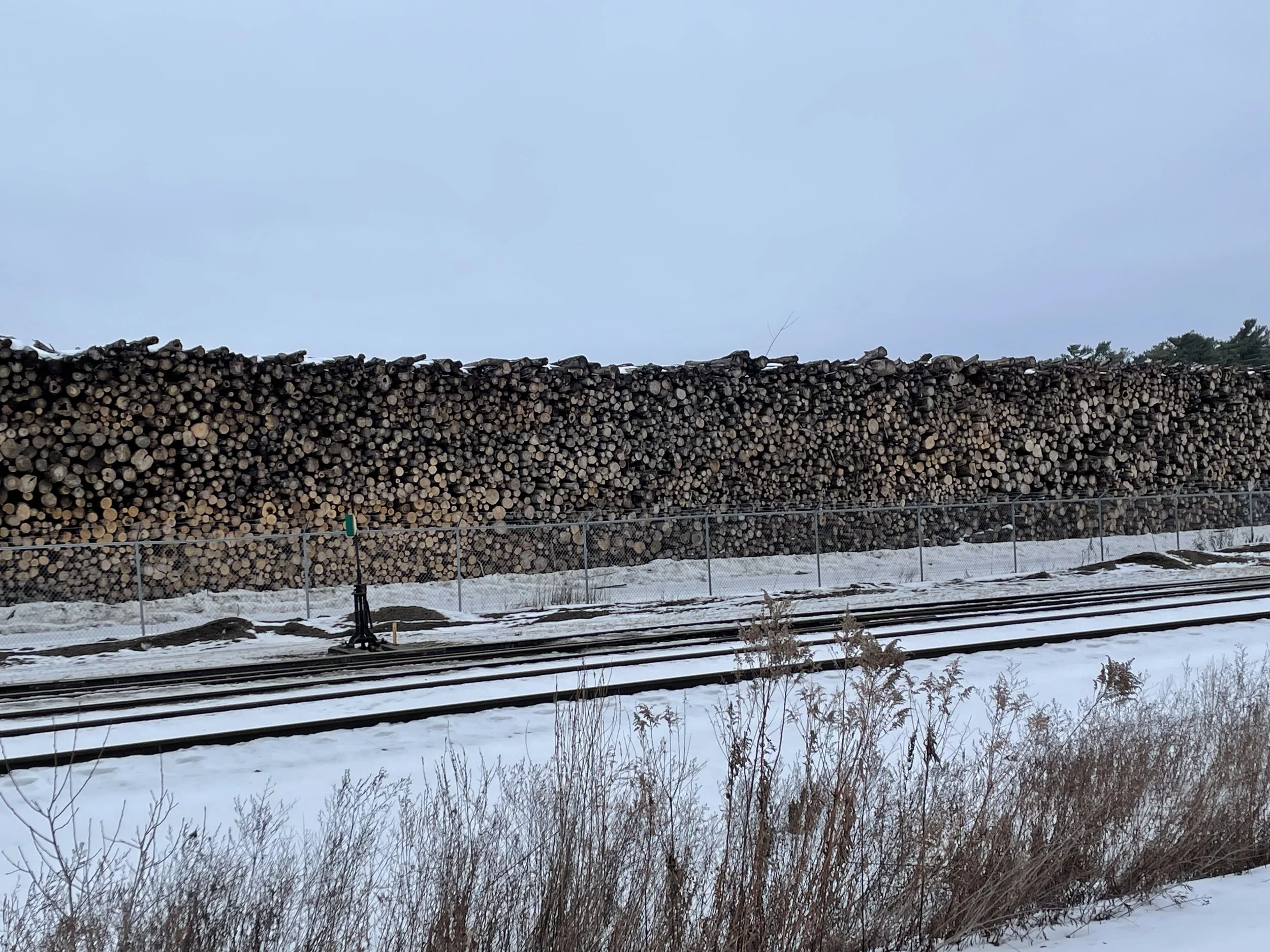
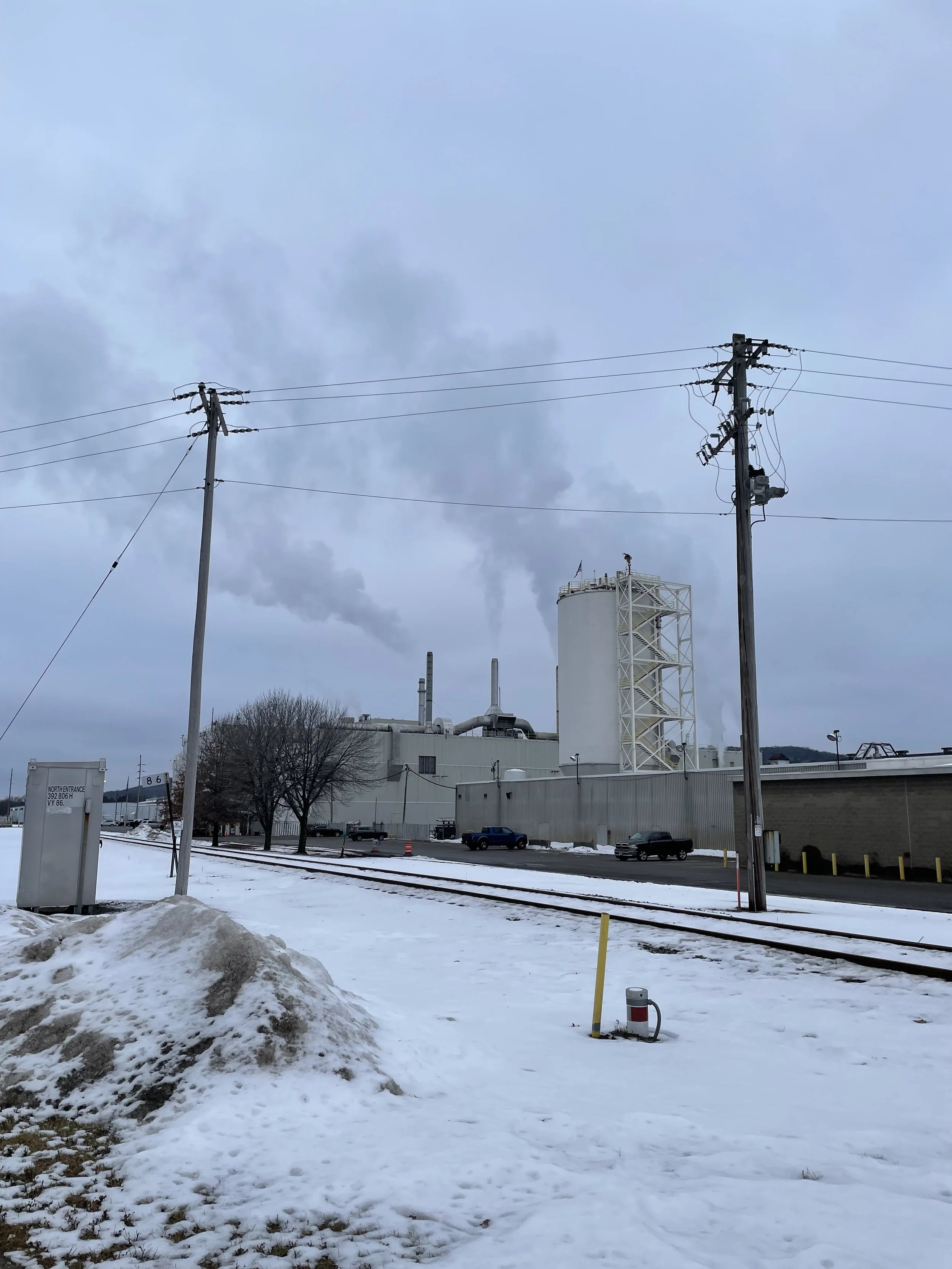
In an era where global warming and greenhouse gas emissions have reached unprecedented levels, preserving our environment and mitigating pollution is important now more than ever. In diametric opposition to that, however, is the paper industry, which is responsible for 20% of all industrial toxic waste in the air in the U.S., according to the Environmental Protection Agency. These figures position the paper industry as the third largest industrial air polluter to air, water, and land in North America, and make it the fifth largest energy consumer. The United States and Canada, the largest paper producers in the world, alone emit approximately 144 million tonnes of carbon dioxide (CO2) - the leading cause of global warming - per year through their paper mills, which also produce ammonia, carbon monoxide, nitrogen oxide, nitrates, mercury, benzene, methanol, volatile organic compounds, and chloroform. This is not to mention nitrogen dioxide (NO2) and sulfur dioxide (SO2), which, along with CO2, cause acid rain to fall on communities in close proximity to paper production factories. In addition, in 2023, in the U.S. alone, six of the ten largest single industrial emitters of hydrogen sulfide came from the paper industry, which also emits extraordinarily large quantities of other volatile sulfur compounds, including methyl mercaptan, dimethyl sulfide, and dimethyl disulfide.
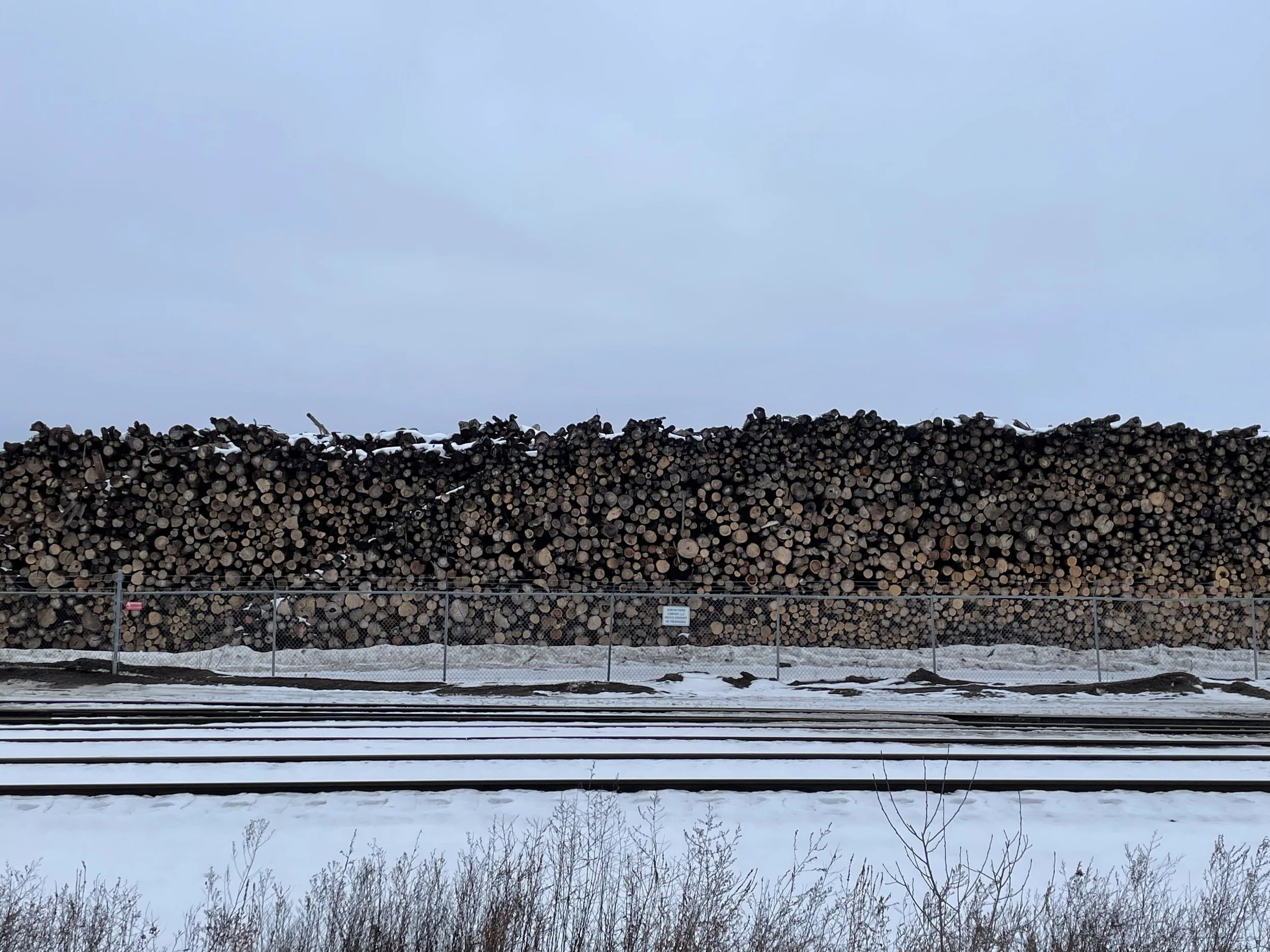
Working seemingly in tandem with these figures against our planet is the astonishing rate at which trees are being cut down each year. Demand for paper has increased by 400% over the last 40 years, with 40% of the world’s industrial logging going into making paper products, and that figure is expected to reach 50% in the near future. Two thirds of this global logging comes from virgin forests, which are mature ecosystems that, unfortunately, can never be replaced, according to the National Wildlife Federation. This all adds up to approximately 4 BILLION trees being cut down each year to support paper production. Trees naturally absorb CO2, which means that the industry is not only producing copious amounts of the greenhouse gas, but it is also massively reducing the planet’s natural defense against the toxic pollutant. Between 2004 and 2017, an area of over 166,000 square miles - roughly the same size as the state of California - was lost to deforestation in the tropics and subtropics alone. These devastating facts affect living creatures outside of human beings as well, as 70% of plant and animal life on our planet live in forests.
All of this does not have to be. We’ve created a sustainable alternative to tree-based paper and paper production that will revolutionize the industry, our world, our life, and our planet. Join the revolution, and together, let’s do our part to stop the catastrophic effects that traditional paper has on our earth.